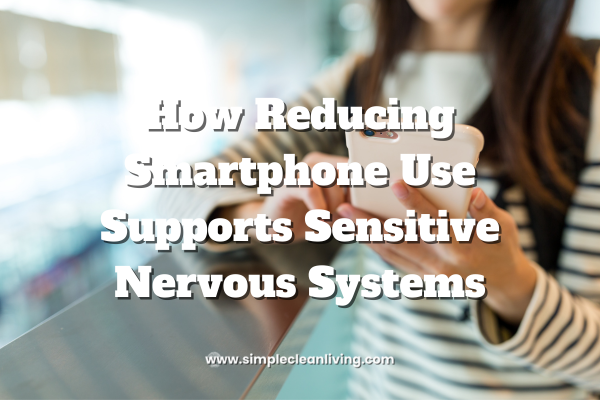
For many of us, a smartphone has quietly become extensions of our nervous systems.
They wake us up, soothe us, distract us, connect us, overwhelm us, and keep us constantly plugged into the emotional pulse of the world. For people who are sensitive, empathic, or neurodivergent, this constant connection can be especially taxing, even when we don’t consciously realize it.
Moving away from overdependence on your smartphone isn’t about rejecting technology or living like it’s 1995. It’s about reclaiming your attention, your energy, and your sense of safety inside your own body.
Why smartphones are extra hard on sensitive nervous systems
Sensitive people tend to process more information, more deeply. That includes emotional tone, visual input, sound, urgency, and social cues. Smartphones deliver all of those things at once, all day long.
Notifications create constant micro-interruptions that keep the nervous system in a low-level state of alert. News cycles expose us to distressing information we were never meant to carry nonstop. Social media asks us to compare, perform, respond, and absorb other people’s emotions…often without pause.
Over time, this can lead to:
-
Chronic overwhelm or exhaustion
-
Heightened anxiety or irritability
-
Difficulty concentrating or resting
-
Trouble sleeping or fully relaxing
-
Feeling “wired but tired.”
Many sensitives turn to their phones for comfort or regulation, but the same device that offers relief can also be the source of ongoing dysregulation.
Overdependence isn’t a personal failure
It’s important to say this clearly: becoming overly dependent on your smartphone is not a moral failing or a lack of discipline.
Phones are designed to be addictive. They provide novelty, validation, distraction, and a sense of control — all things a sensitive nervous system naturally seeks when the world feels intense.
The goal isn’t to shame yourself into better habits. The goal is to gently notice what your nervous system actually needs, and whether your phone is helping or hurting in those moments.
Signs your phone may be adding to overwhelm
You might consider re-examining your relationship with your phone if you notice:
-
Reaching for it automatically when you feel uncomfortable or bored
-
Feeling more anxious or depleted after scrolling
-
Difficulty being present with yourself or others
-
A sense of urgency to respond to messages immediately
-
Trouble focusing on slow, quiet activities
Awareness is the first step. No judgment required.
Gentle ways to loosen the grip
You don’t need a digital detox or strict rules to create change. Small, compassionate shifts are often far more effective for sensitive people.
Start by creating intentional pauses. Leave your phone in another room for short periods, especially during meals, rest, or creative time. This gives your nervous system a chance to settle without constant input.
Reduce sensory overload. Turn off non-essential notifications, dim your screen, or switch to grayscale. These small changes can significantly lower stimulation.
Replace, don’t remove. If you use your phone to regulate, offer yourself alternative soothing options: a warm drink, gentle music, stepping outside, stretching, or a few slow breaths. Regulation doesn’t have to come from a screen.
Create tech-free anchors in your day. Morning and evening are especially important for sensitives. Even 20–30 minutes without your phone can help your body feel safer and more grounded.
Be mindful of content. Curate what you consume. Unfollow accounts that leave you tense or depleted. Limit news intake. Protecting your emotional bandwidth is an act of self-care, not avoidance.
What you gain when you step back
As phone dependence decreases, many sensitives notice subtle but meaningful shifts:
-
Greater emotional steadiness
-
Improved sleep and focus
-
A deeper sense of presence
-
More creativity and intuition
-
Feeling less reactive and more rooted
You may find yourself reconnecting with quieter pleasures — reading, being outdoors, listening to your own thoughts, or simply resting without distraction.
This is about safety, not productivity
Moving away from overdependence on your smartphone isn’t about being more productive or “doing life better.” It’s about creating a life that feels safe, spacious, and supportive to your sensitive nervous system.
You are allowed to move more slowly.
You are allowed to protect your energy.
And you are allowed to choose less input and more presence.
Your phone can be a tool, not the place where your nervous system lives.
And that shift, over time, can be deeply healing.