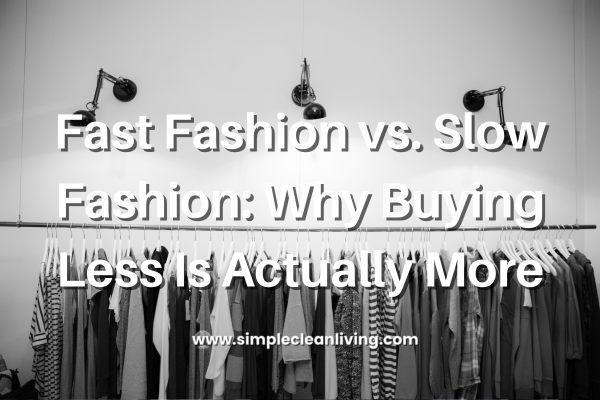
Have you ever bought a shirt because it was only $8, worn it twice, and then tossed it? If so, you’ve experienced fast fashion firsthand. It’s everywhere…in malls, online stores, and social media ads. But there’s a growing movement pushing back against it called slow fashion. So what’s the difference, and why does it matter?
What is fast fashion?
Fast fashion is exactly what it sounds like: clothing made quickly and cheaply so stores can keep up with the latest trends. Brands like Shein, Zara, and H&M release hundreds of new styles every week. The idea is to make clothes affordable so shoppers buy more of them, and buy them often.
Sounds like a good deal, right? Not really. Here’s what’s hiding behind those low price tags:
Low-quality materials. Fast fashion clothes are usually made from cheap synthetic fabrics like polyester. These fabrics don’t last long. After just a few washes, they can start to fade, stretch, or fall apart.
Poor working conditions. To keep prices low, many fast fashion companies manufacture their clothes in countries where workers are paid very little…sometimes less than a few dollars per day. These factories are often unsafe, and workers have few rights or protections.
Massive waste. The fashion industry is one of the biggest polluters in the world. Americans alone throw away about 81 pounds of clothing per person every year. Most of it ends up in landfills, where synthetic fabrics can take hundreds of years to break down.
Water pollution. Dyeing and treating fabrics releases toxic chemicals into rivers and streams. In fact, the fashion industry is responsible for about 20% of global water pollution.
What is slow fashion?
Slow fashion is the opposite of fast fashion. Instead of buying lots of cheap clothes all the time, slow fashion is about buying fewer, better-made pieces that last for years.
Think of it this way: would you rather have 20 shirts that fall apart in six months, or 5 shirts that still look great five years from now?
Slow fashion values quality over quantity. It also values the people who make the clothes and the environment they’re made in. Brands that follow slow fashion principles tend to:
- Use natural, sustainable materials like organic cotton, linen, or wool
- Pay their workers fair wages and provide safe working conditions
- Produce smaller batches of clothing so less goes to waste
- Make timeless styles that don’t go out of fashion every season
Why slow fashion is better for the planet
The environmental difference between fast and slow fashion is huge.
When you buy a well-made jacket and wear it for ten years, you’re using far fewer resources than someone who buys a new jacket every season. Less production means less water used, less pollution released, and less fabric ending up in a landfill.
Slow fashion also encourages buying secondhand. Thrift stores, clothing swaps, and online resale apps like ThredUp or Poshmark give old clothes a second life. Buying used is one of the most eco-friendly choices you can make, because the clothing already exists…no new resources needed.
Some researchers estimate that if every American bought just one used item instead of new this year, it would save around 6 billion pounds of carbon emissions. That’s equal to taking half a million cars off the road.
Why slow fashion fits a simpler life
Here’s something interesting: people who switch to slow fashion often say they feel less stressed about getting dressed.
When your closet is full of cheap, trendy clothes that you’re not sure how to wear together, it can actually be overwhelming. You end up standing in front of a stuffed closet, feeling like you have nothing to wear.
Slow fashion encourages building what’s called a capsule wardrobe: a small collection of high-quality pieces that all work well together. Instead of 60 items you rarely reach for, you might have 20 items you truly love and wear all the time.
This is one of the key ideas behind simple living: owning less, but owning things that are meaningful and useful. When you stop buying clothes just because they’re cheap or trendy, you save money, reduce clutter, and feel more at peace with what you have.
How to start choosing slow fashion
Making the switch doesn’t have to happen all at once. Here are some easy ways to get started:
1. Stop before you shop. Before buying something new, ask yourself: “Will I still wear this in two years?” If the answer is no, skip it.
2. Buy secondhand first. Check thrift stores, consignment shops, or apps like Depop and Poshmark before buying new. You can find great quality at low prices.
3. Take care of what you have. Wash clothes in cold water, hang them to dry, and learn basic repairs like sewing on a button. Clothes last much longer when you treat them well.
4. Choose quality over quantity. Save up for one well-made item instead of buying three cheap ones. It’ll last longer, and you’ll feel better wearing it.
5. Unfollow the trends. Social media constantly pushes new styles to make you feel like your clothes are already out of date. Remember: trends are designed to make you spend money. Classic styles never go out of fashion.
The bottom line
Fast fashion might seem like a bargain, but the true cost is paid by factory workers, the environment, and even your own sense of peace. Slow fashion offers a better way: less waste, more quality, and a simpler approach to getting dressed every day.
You don’t need a closet full of clothes to look good. You just need the right clothes. Ones that are made to last, made with care, and chosen with intention.
That’s not just better for the planet. It’s a better way to live.
“The best thing you can do is buy less, buy better, and make it last.”